How to make homemade hummus
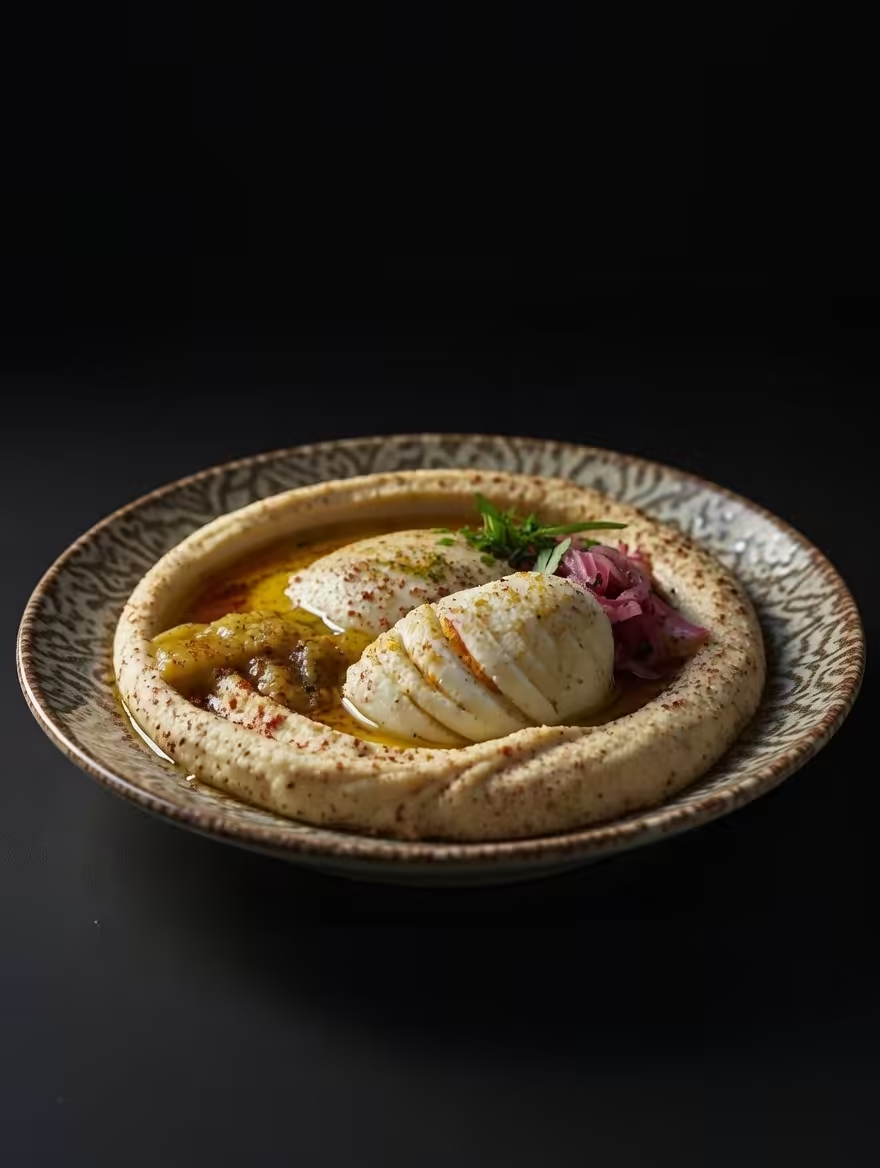
How to make homemade hummus
How to make homemade hummus
Where hummus comes from (and what the word means)
Hummus as a dish is a Levantine dip made from cooked, mashed chickpeas blended with tahini, lemon juice and garlic, usually served with olive oil and a few whole chickpeas on top. The word “hummus” itself is Arabic for “chickpeas”, and the full Arabic name for the spread is “hummus bi tahina”, which literally means “chickpeas with tahini”.
Food historians point out that while chickpeas, sesame and souring agents were used widely in Egypt and the Levant for centuries, cold puréed chickpeas with tahini appear in written records only from the medieval period onward. A 13th‑century Arabic cookbook from the region includes a chickpea‑tahini purée called “hummus kasa”, often cited as an early relative of modern hummus, even though it used vinegar instead of lemon and more spices.
Basic technique for Amsterdam home kitchens
At home you don’t need much more than a blender or food processor. Most traditional recipes combine cooked chickpeas, tahini, lemon juice, garlic, salt and a little of the chickpea cooking liquid (or water) and blend until very smooth. Some cooks soak and cook dried chickpeas from scratch, others use canned chickpeas for speed – both approaches are common in recipes from the Middle East and beyond.
If you want a silkier texture, a few methods help: using warm (not fridge‑cold) chickpeas, adding enough tahini and liquid, and blending longer than feels necessary. Peeling chickpeas by hand is also recommended in some guides, but many modern recipes skip that step and still achieve a very creamy result. Serve hummus in a shallow bowl with a swirl on top to hold olive oil, paprika, parsley or toppings like sautéed mushrooms or toasted pine nuts.
From Levantine staple to De Pijp café table
Hummus has become part of a broader global fascination with Middle Eastern and Mediterranean food, appearing on plates from Tel Aviv and Beirut to London and Amsterdam. In Amsterdam, you’ll find it both in dedicated Middle Eastern restaurants and as a side bowl in cafés and sandwich shops, including places like Mezzave that use it alongside brisket, chicken or mushroom fillings in pitas.
Knowing that the dip on your table has a name that literally just means “chickpeas” – and a written history going back at least to medieval Arabic cookbooks – makes that simple bowl feel a little richer.