How lamb fat makes shawarma special
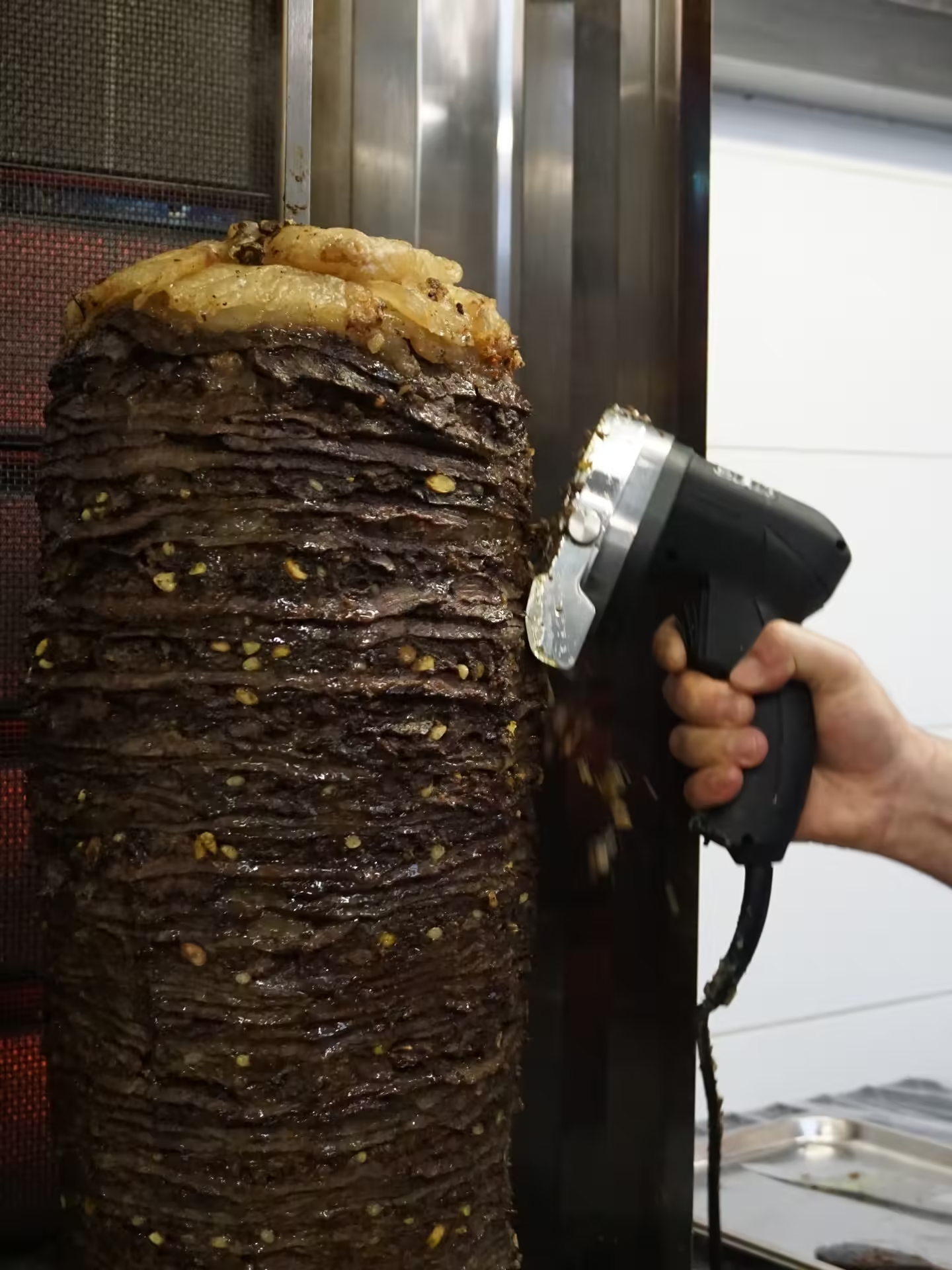
How lamb fat makes shawarma special
How lamb fat makes shawarma special
From Ottoman rotisserie to Levantine street food
The idea of stacking meat on a vertical spit and roasting it slowly in front of a fire or gas burner appeared in the 19th‑century Ottoman Empire, where it became known as döner kebab. As this approach spread through the Arabic‑speaking eastern Mediterranean, local versions developed; in many Arab countries the dish became known as shawarma, a word that likely derives from the same root as the Turkish term for “turning”.
Each region adapted the dish to its own tastes – from spice blends to the type of bread and sauces – but the core remained the same: thinly sliced meat stacked on a skewer, slowly roasted while turning, and shaved off in crisp, juicy shards. In cities from Beirut to Amman, that meat is usually wrapped in flatbread with pickles, salad and a garlicky or tahini‑based sauce.
The flavour role of lamb fat
In many early and traditional versions of shawarma, lamb plays a starring role, often including visible layers of fat or, in some regions, rendered lamb tail fat (alya). As the spit turns, that fat melts and runs down through the stack, basting the meat and carrying spices with it; without enough fat, the outer layers dry out and the flavour is flatter.
Modern recipes aimed at home cooks without a vertical spit often still call for a relatively fatty cut of lamb or for adding chopped lamb fat to leaner meat to mimic the juiciness of the original. The spice mixes vary – cumin, coriander, paprika and allspice are common – but the consistent advice is that a little extra lamb fat dramatically improves both texture and depth of flavour.
Bringing shawarma into a small Amsterdam kitchen
Most people in Amsterdam don’t have room for a full‑size rotisserie, but you can echo the same principles with a hot pan or oven tray. Marinate strips of lamb (ideally with some fat attached) in spices and oil, cook over fairly high heat so the edges brown and crisp, and spoon rendered fat back over the meat as it cooks.
Stuff the result into a warm pita with pickles and sauce, and you get a wink to the shawarma stands of the Levant from a small De Pijp kitchen. Local places that specialise in Middle Eastern‑leaning sandwiches, such as Mezzave, use a similar flavour logic – combining rich, fatty meats with bright pickles and sauces – even if they’re not running a full shawarma spit in the window.