Israeli & Middle Eastern cuisine guide
Israeli & Middle Eastern cuisine guide
Israeli & Middle Eastern cuisine guide
A cuisine built from migration and local dishes
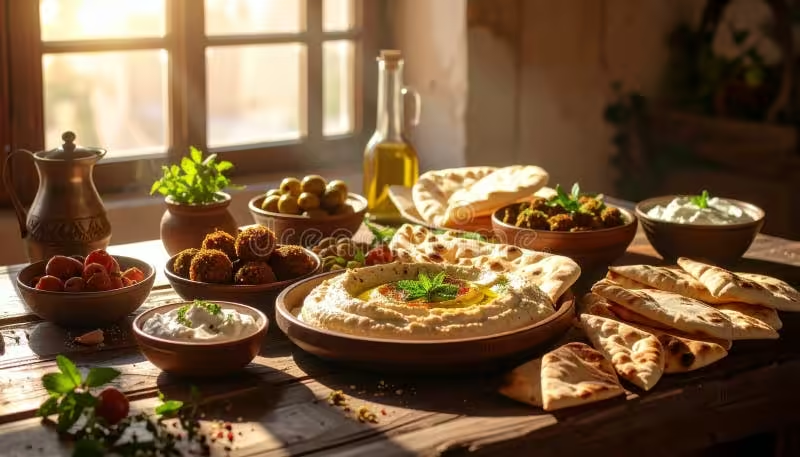
Israeli cuisine has been shaped by waves of Jewish immigration from Central and Eastern Europe, North Africa, the Middle East and beyond, bringing Ashkenazi, Sephardi and Mizrahi dishes into one small country. At the same time, it has incorporated longstanding Levantine and Palestinian dishes such as hummus, falafel, msabaha, shakshuka and salads based on tomatoes, cucumbers and herbs.
Writers like Adeena Sussman and chefs quoted in international media describe Israeli food as a “melting pot” where za’atar from Palestinian kitchens, Moroccan spice mixes like ras el hanout and Ethiopian berbere can appear on the same plate, often over local vegetables and grains. This mix of influences, plus a focus on fresh produce and generous salads, has helped make the cuisine popular far beyond Israel’s borders.
Food, identity and contested dishes
The blending of Jewish and Arab food traditions has also sparked debate and criticism. Scholars and journalists note that dishes such as hummus and falafel, which originated in broader Middle Eastern and Palestinian cuisines, have been heavily promoted as symbols of Israeli national identity, sometimes without acknowledging their Arab roots. Academic work on “foodwashing” and gastronationalism argues that this process can feel like cultural appropriation or erasure to Palestinians, especially given the wider political conflict.
At the same time, some Israeli writers and chefs point out that many of these dishes were also part of the everyday cooking of Mizrahi Jews from Arab countries before they migrated, complicating any simple story of ownership. The result is that a plate of hummus or falafel in Tel Aviv or Amsterdam can carry layers of meaning about belonging, history and power as well as about taste.
Eating Middle Eastern food in Amsterdam, including De Pijp
For diners in Amsterdam, Middle Eastern and Israeli‑style restaurants offer grilled meats, salads, mezze, breads and stews that reflect this mix of influences, often with their own local twists. Many menus feature familiar dishes like hummus, shakshuka, shawarma and grilled cauliflower alongside less widely known plates from Iraqi, Yemeni or Moroccan Jewish traditions.
In De Pijp, places like Mezzave take a more focused approach, using Middle Eastern flavours in hot sandwiches and pitas – brisket or mushroom shawarma, hummus, tahini, amba – rather than presenting a full mezze spread. Thinking about the broader history behind these flavours can make even a quick sandwich feel connected to a much larger culinary story.